

Lean Meats for Dogs and Cats: Why Elk and Venison Are Worth Trying
Lean meats for dogs and cats are one of the simplest upgrades you can make to treat time. When Animal Wellness featured our elk and venison treats, they made the case beautifully, and you can read their full article here. Here's why I love lean meats, how they compare, and how to choose the right one for your pet.
Why lean meats for dogs and cats?
Dogs and cats are built to run on protein. Lean meats give them plenty of it without a lot of fat, which matters for a few reasons:
- High-quality protein. Protein builds and repairs muscle and keeps your pet strong at every age.
- Easier on sensitive stomachs. Fatty treats are a common cause of upset tummies. Lean meats are gentler.
- Better for weight management. Less fat means fewer calories, so you can reward your pet without overdoing it.
- Picky eaters love them. Real meat smells and tastes like real meat, and that gets attention.
What makes a meat "lean"?
A lean meat has a high amount of protein compared to its fat. Animals that move a lot and graze or forage naturally, like rabbit, deer and elk, tend to carry less fat than animals raised to put on weight quickly.
You can check this yourself on any treat bag. Turn it over and look at the guaranteed analysis, which lists protein, fat, fibre and moisture. For lean meats for dogs and cats, you want the protein number high and the fat number low. Our Rabbit Strips, for example, are 50% protein and 9% fat.
Comparing our five lean meats for dogs and cats
Every protein we use is leaner than typical beef or pork treats, and each one brings something a little different:
- Rabbit: one of the leanest meats you can feed, and very easy to digest. We raise our own in Ontario without antibiotics. It's where I'd start for sensitive pets.
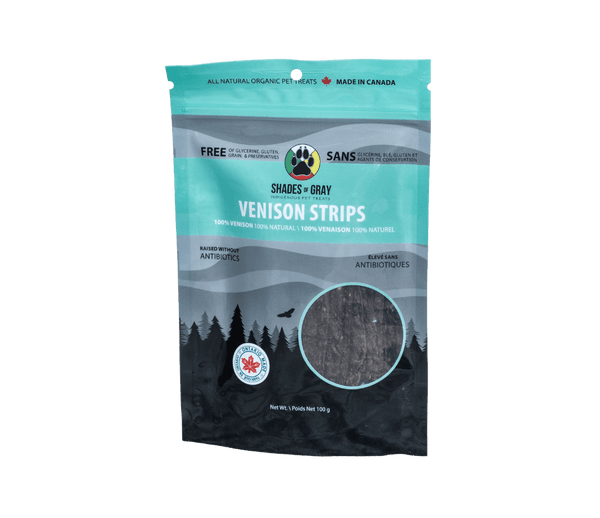
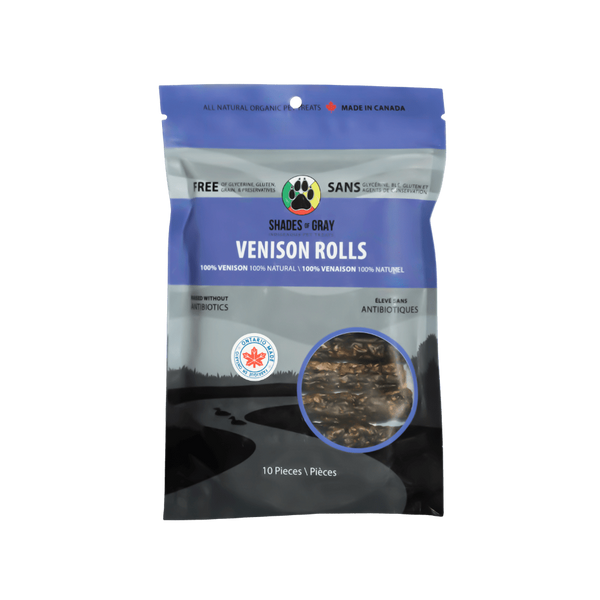
- Venison: lean and rich in iron and B vitamins, with a red-meat flavour dogs go crazy for.
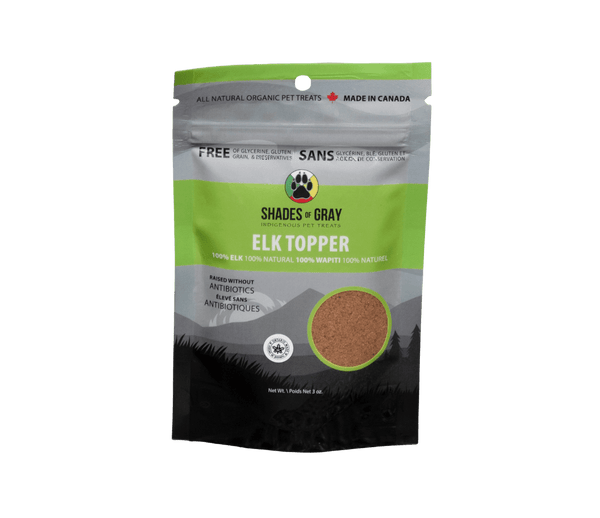
- Elk: similar to venison, with a slightly richer taste. Great for dogs who need lean protein but still want something satisfying.
- Bison: the flavour of beef in a leaner package, with less fat and more protein.
- Beaver: a lean, nutrient-dense meat that almost no pet has eaten before, ethically harvested in Ontario.
Our bison, elk and venison are farmed in Canada and federally inspected. You can compare all five in more detail on our healthy treats and proteins page.
Elk and venison: two of the leanest meats around
Elk and venison have the rich flavour of red meat in a much leaner package. Compared to beef, they're lower in fat and calories and higher in protein, iron and B vitamins.
They're also novel proteins for most pets. If your dog or cat reacts to chicken or beef, a meat they've never eaten before is a smart place to start. I wrote a whole post on the benefits of elk and venison for dogs and cats if you'd like to go deeper.
Lean meats for weight management
A lot of pets carry a few extra pounds, and treats are often the reason. You don't have to stop rewarding your pet, though. Switching to lean meats for dogs and cats lets you keep treat time without the extra fat that comes with many store-bought treats.
A few tips that help:
- Break treats into smaller pieces. Your pet cares more about getting a reward than how big it is.
- Count treats as part of the day's food, and trim meals a little on heavy training days.
- Skip treats with added oils, sugar or glycerine, which add calories without adding nutrition.
- If your vet has asked you to keep fat low for a medical reason, follow their advice first.
Lean meats for senior pets and cats
Older dogs often move less, have more sensitive stomachs and need fewer calories, so lean protein is a natural fit. Thin strips break into small pieces, and meal toppers can be sprinkled over soft food with no biting needed.
Cats are true carnivores and thrive on real meat. Lean meats are a good match for indoor cats who don't burn as much energy, and a topper is often the easiest way to win over a fussy cat.
How to add lean meats to your pet's routine
- As a treat. Strips break into small pieces for training. Rolls make a satisfying reward after a walk.
- As a meal topper. Sprinkle a little over your pet's regular food to tempt a picky eater.
- Go slow. Introduce any new protein a little at a time, and keep treats to about 10% of daily calories.
Our elk and venison treats
Every treat is a single ingredient, with no grain, gluten, glycerine, fillers or preservatives, made in small batches at our facility on Alderville First Nation using federally inspected meat.
See all our elk treats and venison treats.
Lean Meats FAQ
Q: Are lean meats good for dogs and cats?
A: Yes. Lean meats are high in protein and low in fat, which makes them easier to digest and better for weight management.
Q: What are the leanest meats for dogs and cats?
A: Rabbit, venison and elk are among the leanest. Bison and beaver are leaner than beef too.
Q: How do I know if a treat is lean?
A: Check the guaranteed analysis on the bag. A lean meat treat has high protein and low fat.
Q: Is venison good for dogs with allergies?
A: Venison is a novel protein for most dogs, so it's a good option if your dog reacts to chicken or beef. Check with your vet if your dog has a diagnosed allergy.
Q: Where do your elk and venison come from?
A: Our elk and venison are farmed in Canada and federally inspected. Every treat is made at our facility on Alderville First Nation.
Miigwech to Animal Wellness for featuring our treats.
Keri